
It’s easy to be lulled into thinking a wayfinding kiosk can only provide directions to those in need but in recent times there have been great advances made to improve the functionality of these kiosks. Previously, the machines would be programmed to simply provide directions to specific landmarks or districts of towns and cities, but now there’s much more on offer, so read on to discover how a wayfinding kiosk could benefit your business…
Maps and Directions
Yes. The machines still display maps indicating the local area and highlighting landmarks but they are now capable of providing more in depth direction akin to Google Maps. Many kiosks also have printing capabilities to allow users to print off their directions for use during their journey – efficient and convenient.
Transit Directions
For more complex directional needs, kiosks can now also provide directions based on up- to- date traffic information to give the best route from A to B. Depending on the needs of the user, the kiosks can also provide information on the best form of transport – from on foot to public transport and other vehicle based travel.
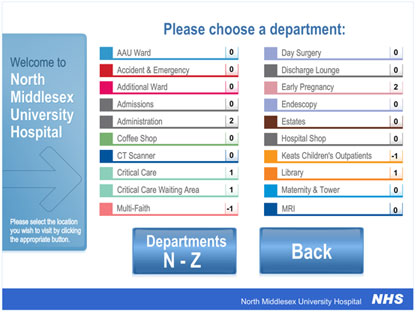
Merchandise
Directions aren’t just required for travellers these days. As retail outlets become progressively larger, they can become confusing and locating certain products or outlets can be a chore. Wayfinding kiosks can provide accurate information on where to find certain items in a single shop or in an outlet – they can even carry out price comparison functions to ensure the user gets the best deal.
Crisis Management
In emergency situations, it’s not always obvious where safe exits are located in buildings and outlets. Kiosks can perform emergency functions such as directing people to safe exits in dangerous situations or to alert the relevant authorities if no other means of contact are available.
3D Wayfinding
In this instance 3D doesn’t mean awkward glasses or images on the screen jumping out at the user; instead, the 3D function displays full representations of multi storey buildings to improve the user’s understanding of where items or landmarks are located. 2D maps were confusing and lacked the clarity of their 3D counterparts – these kiosks often also feature printing functions to allow customers to take directions with them.
Wayfinding Kiosks
These modern kiosks have replaced the traditional Tourist Information booths in many towns and cities to great effect and the applications will continue to develop over time. They may never replace the handheld satellite navigation apps and systems but the added functionality in emergencies will see their numbers increase exponentially over the next few years.