
In a world where contactless payment was only created within the past five years, it seems scary to think that we could be within reach of a cashless society but it seems that it is not as far away as we think. The news lately has been filled with Sweden’s move towards a completely cashless system; from street vendors to bus fares, almost everything is available to purchase without physical cash. In fact, less than 6% of all transactions carried out in Sweden are now made in cash, with the rest relying on card or mobile pay.
Although Sweden are paving the way forward, the UK is not as far behind as you might think. Last year, cashless payments overtook cash payments for the first time; London transport now runs on a cashless system, with cities such as Nottingham also making the transition to similar systems. Mobile pay and the move of contactless payments from £20 to £30 are encouraging more people to veer away from the traditional chip and pin, which shows how society values convenience and instant access over traditional methods.
There are many benefits of going cashless. For one thing, it helps to prevent money laundering and fraudulent transactions, as well as reduce theft and crime associated with hard cash. Moving away from cash can also save the government money; cash costs to produce, to distribute, to keep safe and to keep track off. This is the same with businesses; going cashless can help to lower costs, making it less necessary to hike up prices year on year.
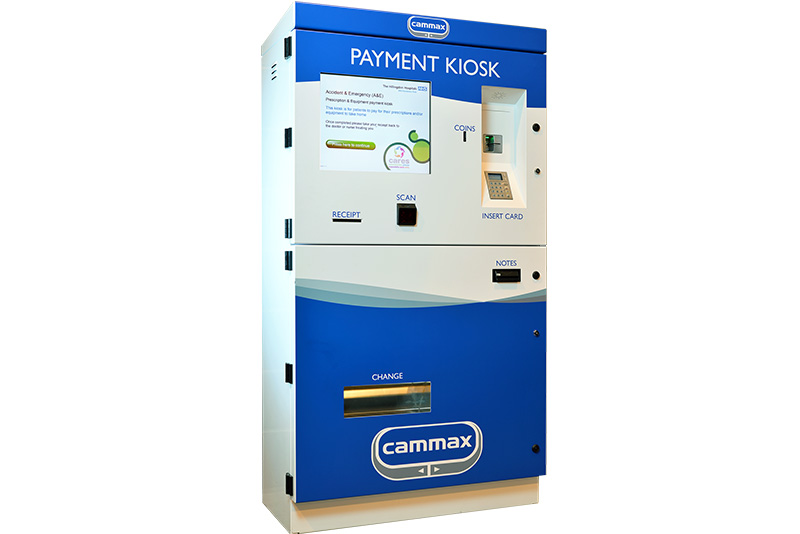
As with any technological advance, there are concerns to the growing demand for cashless payments. Relying entirely on technology can cause concerns over reliability; a single glitch or power problem can bring down a whole system, and there are worries over the electronic and data footprints that are stored with these kind of transactions. Moving completely cashless can isolate certain demographics, such as pensioners, tourists and homeless people.
It is unlikely that we will be an entirely cashless globe any time soon, but as more countries such as Sweden make the switch there will be a surge of new technology and software which will help to revolutionise cashless transactions, whether that be through cashless kiosks, apps or cards.