
Public transport has long been relied on by UK residents for daily travel, from the dreaded morning commute between cities to inner city travel via bus or tram.
Despite the fact it is a necessity in many of our lives, there is often a general consensus of frustration at how inefficient some public transport modes can be, particularly on less major routes and in smaller towns. Even in large cities, services can be slow due to road congestion and slow boarding times as passengers queue up to pay; at busy stops, this loading time can often amount to a quarter of the total journey time, leaving buses in particular running late and causing problems with passengers.
One suggestion to increase service efficiency which has been routinely brought up decade on decade is making public transport free to use. There are three main reasons this could be beneficial to the UK; increased service efficiency, reduced road congestions, and reduced carbon emissions as more people opt for public transport over the use of private vehicles.
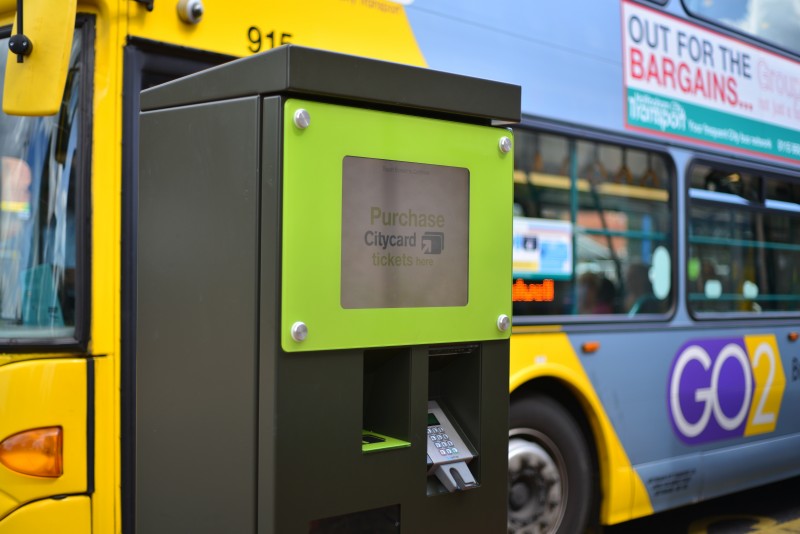
One of the most common citation for late bus services is the time it takes for pay as you go passengers to board at each stop. By creating free public transport, passengers would be able to go on without needing to wait for tickets or change, eliminating long queuing times and speeding up the service.
Free transport would also encourage more consumers to switch to methods of public transport, reducing road congestion and further increasing service timeliness. By reducing the number of private cars on the road, there would naturally be a reduction in carbon emissions which is in line with Europe’s mission to reduce greenhouse gas output by 2020 in an attempt to slow down global warming.
Of course, taking away fares doesn’t actually make public transport free. The reality is that the costs to run transport would come out of the tax payers money; something which may be an unpopular notion, particularly from those who don’t use public transport. More people may be tempted to turn to public transport to ‘get their money’s worth’, which can put a strain on the services as demand is higher than capability. This itself can eventually lead to service inefficiency as public transport cannot cope with the numbers of passengers.
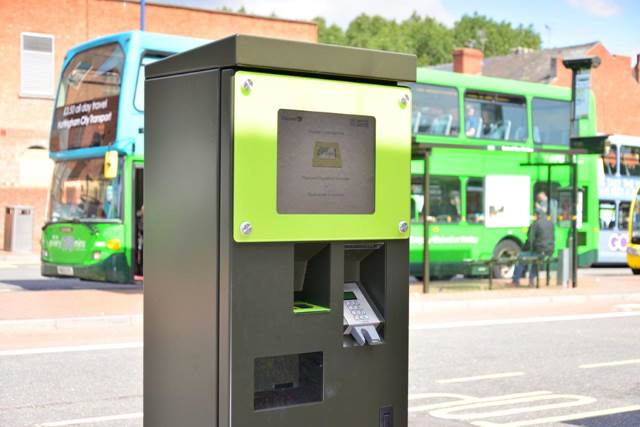
One way to combat the current issues with public transport, without having to rely on the taxpayers money, is to introduce smart ticketing systems. This is something we have already started see around the UK, including London’s Oyster Cards, Yorkshire’s Smart Cards and Nottingham’s Kangaroo Tickets.
These systems allow public transport users to top up cards and tickets at kiosks, online and selected locations which they can use to tap in and out of their journey. This reduces boarding times and cuts the cost of running transportation, as cash transactions is actually an expensive way of collecting payment. Smart ticketing systems also make public transport more accessible as it means people can top up their tickets outside of working hours via kiosks, and can access transport without needing to carry cash or feel the wrath of bus drivers if they don’t have the correct change.